
How to Outsmart Impersonation Scams
How to Outsmart Impersonation Scams
According to AAA, over 122 million Americans will travel 50 miles or more from home between December 20 and January 1. While you're spending time with family and friends this season, take a moment to share some simple tips on protecting financial accounts. As we head into the New Year, it's important to remember that fraudsters don't take vacations. Their persistent mission is to impersonate various institutions including banks, brokerage firms, financial advisors, credit card companies, and government agencies such as the IRS and Social Security offices. They can even mimic the people you trust the most, like family members. As these criminals increasingly incorporate AI into their schemes, they become more effective at manipulating their targets and ever harder to detect. Once fraudsters obtain personal information, they may open new accounts, apply for loans, or file false tax returns in the victim's name. The emotional and financial toll can be severe, especially for seniors.
Two major impersonation threats to watch for:
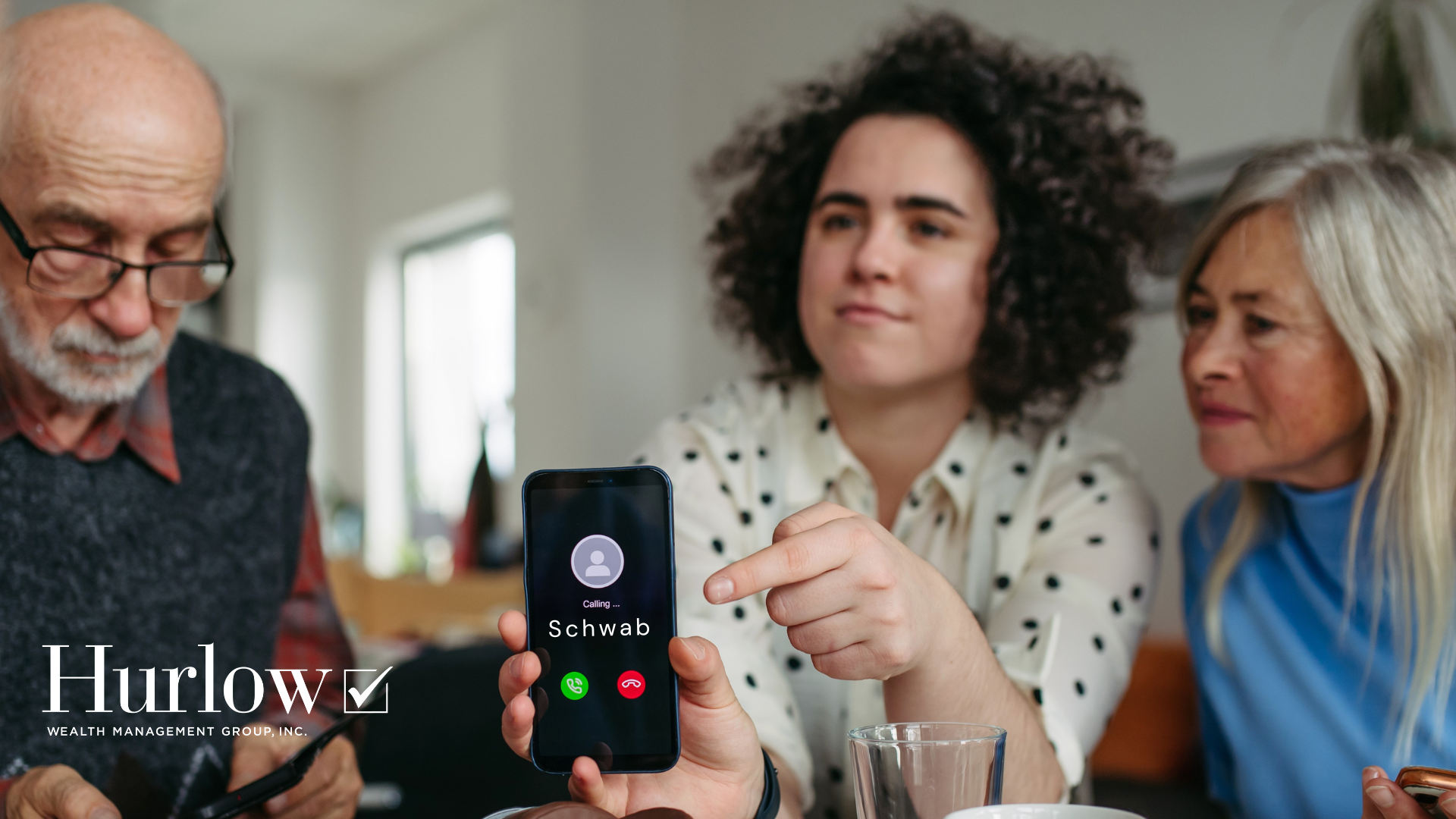
- Imposters posing as bank or brokerage firm employees: Scammers may spoof Schwab or other financial firms' phone numbers and use real employee names and photos to gain trust. They often claim there's a security issue with your account and request urgent action, such as sharing login credentials or verification codes. Once they have access, these criminals reset passwords, locking you out of your accounts, and initiate unauthorized transactions. Remember, legitimate financial institutions do not need your login to access your financial accounts under their custody.
- Fake websites and phishing links: Fraudsters use search engine optimization (SEO) and smishing (SMS phishing) to push fake login pages to the top of search results or into text messages. These sites look legitimate but are designed to steal credentials and two-factor authentication codes. Once you enter your information, scammers reroute security tokens and drain accounts.
A new twist: AI-powered impersonation
In 2025, impersonation scams surged 148%. In fact, it's now the most frequently reported type of fraud. Criminals use voice cloning and deepfake video to mimic trusted individuals, including financial advisors and family members. These scams often begin with a call or video message that feels real but is entirely fabricated.
How to stay safe:
- Never share your Schwab login credentials or verification codes, especially if the request sounds urgent or even if it comes from someone you know.
- Use bookmarks for Schwab (client.schwab.com) and other important sites (or type the URL directly), rather than clicking on links found in search engines or received in texts or emails.
- Verify identities independently by calling your financial advisor using a number you already trust, not one provided in a message or call.
- Be wary of requests from Schwab (or other major financial institutions) to download third-party software or grant remote access.
- Place a credit freeze with all major bureaus (Equifax, Experian, TransUnion) as well as Innovis to help prevent new accounts or loans from being opened in your name.
- Monitor your credit reports regularly for suspicious activity.
- Watch for red flags such as urgency, secrecy, and requests for cryptocurrency or gift cards are common scam tactics. Reach out to your financial advisor if anything feels off.
- Set up a phrase or password that family members can use to prove their identity in the event they need help or money unexpectedly.
As you spend quality time with your loved ones, take the opportunity to discuss the various scams out there and the steps you can all take to protect your identities and digital footprints. If you suspect fraud, report it to your financial advisor immediately.